
Aftermath
Quote of the day, misattributed to H.G. Wells, "Statistical thinking will one day be as necessary for efficient citizenship as the ability to read and write."

About these notes: Always Monday. Always short. Always free. Always about civil society’s future. At times, interesting. If someone forwarded this to you, subscribe here.
America has made a colossal mess of math in school. Math can help us make sense of our world. But we don’t study that math. Instead, thousands of hours on rote math we never use. A gigantic fuck-up causing civil society to come apart at the seams. My new book lays this out: Aftermath: The Life-Changing Math That Schools Won’t Teach You.
Aftermath will change how you think about math. And life. I need your help getting it launched. Because the words ‘a book about math’ send people running. More than 80% of adults hold math in disdain — 30% would rather scrub a toilet. In my talks, I’ve challenged 100,000+ adults to find something on this chart they use. Crickets.
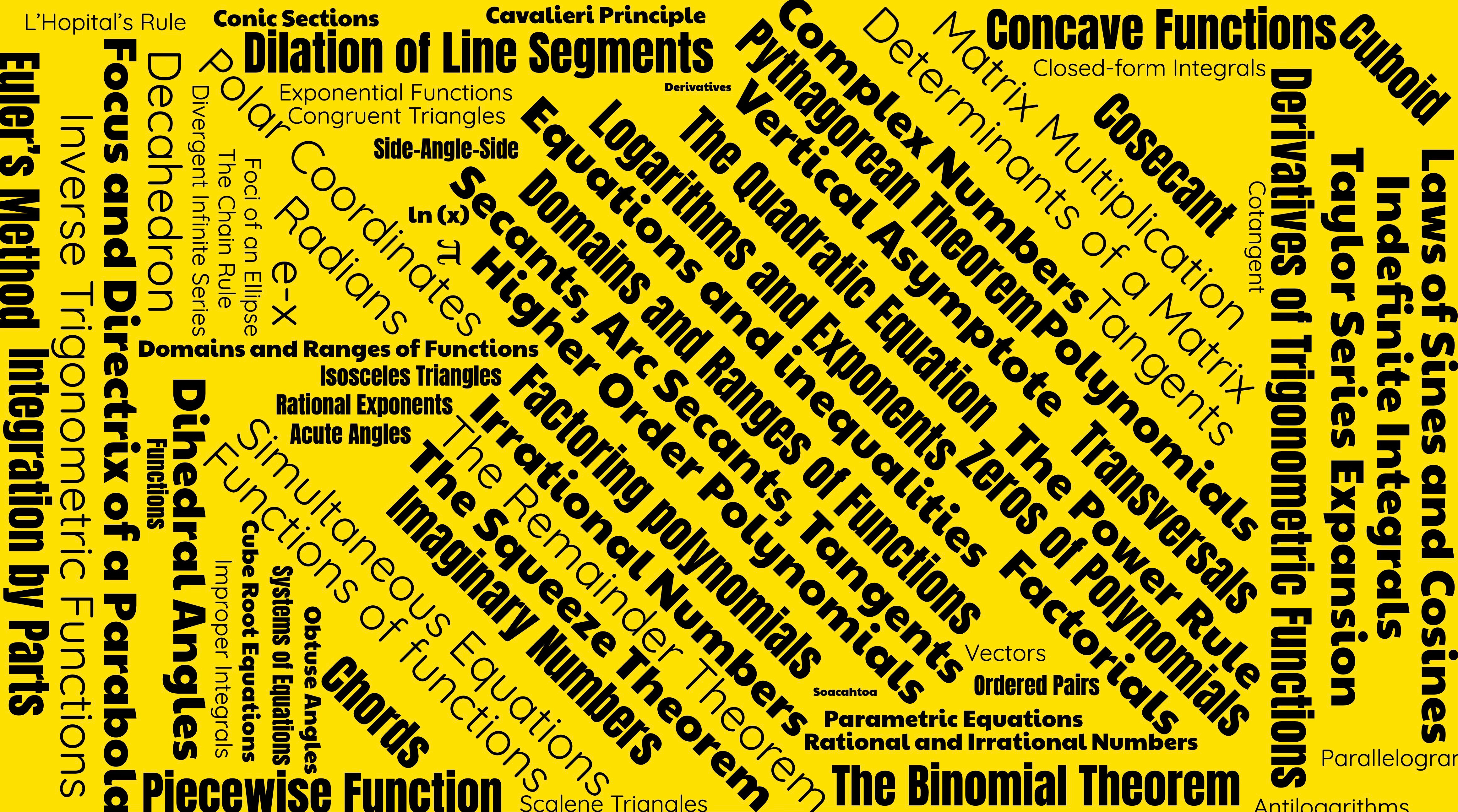
It turns out, this math used to matter. Before computers. Those brilliant Black women in Hidden Figures who served as human “computers” for Apollo missions in the 1960s. These women knew that rote math would soon be handled by computers. Which happened everywhere — except school. Why? Rote math is perfect fodder for high-stakes multiple-choice exams. Millions of tests, one-right-answer micro-tidbits, graded by computers, graded on a Bell Curve that plops most into the mediocre middle. Scores that define academic success — for children, schools, districts, and states. Scores that open doors, and slam doors shut. Based on math we don’t use.
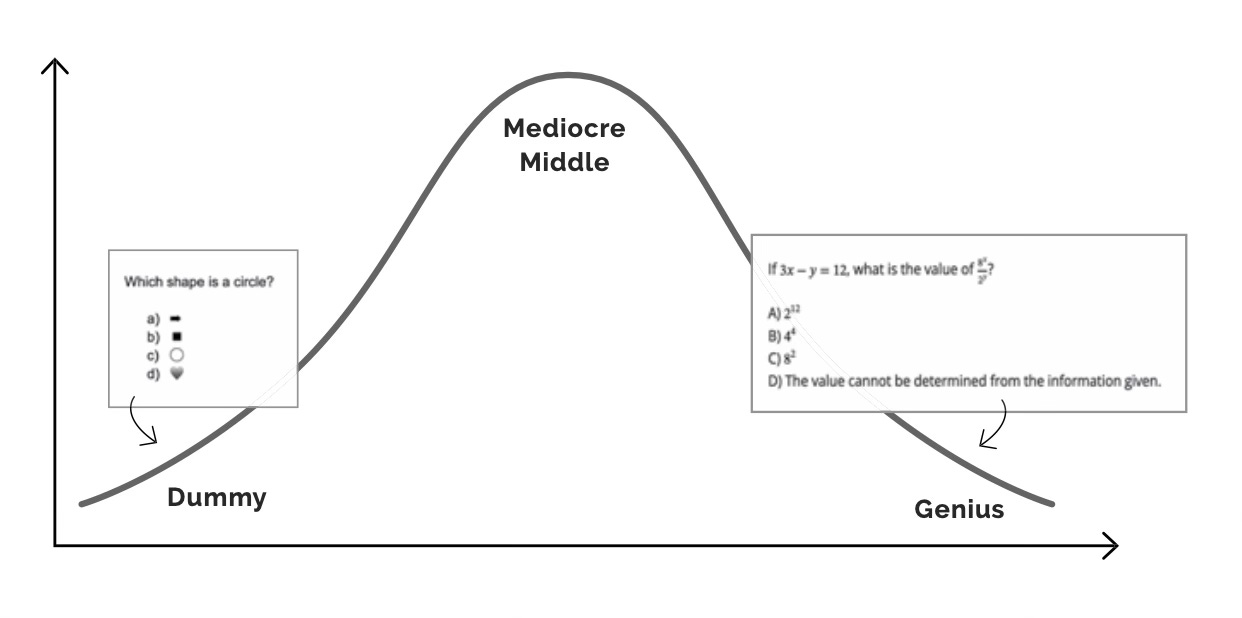
As the world races ahead, policymakers don’t ask, “What math is important today?” They chase higher test scores. Place ever-higher stakes on ever-less-relevant rote math. A math agenda set by math-ignorant policymakers. Four decades of chasing, no gains, massive collateral damage.
Here’s the bigger tragedy. We never get to the math that matters. The math behind our most consequential finance and medical decisions. That determines what we watch, read, and believe. That runs through our civics. That lurks behind every important number and study coming our way. That teaches us to think, fact-check, and critically analyze. That blends logic with creativity. Math accessible to eighth-graders, but few adults understand. The math that shapes your life, every single day.
A real-world example. Your doctor orders a diagnostic test, citing studies showing it’s 90% accurate. The dreaded result comes back, and the doc explains that you’re 90% likely to have the disease. This well-educated doctor, with years of advanced school math, is wrong, wrong, wrong — bamboozled by probability. Trusting patients rush to bad decisions. Aftermath lays out the world of difference between two things that sound the same: The probability you have the disease if the test is positive. The probability that the test is positive if you have the disease.
My hope is that Aftermath does for math what Freakonomics did for economics — bold, powerful ideas in words, not equations, brought to life with real-world stories. Did I pull it off? Freakonomics author Steve Levitt offers, “Dintersmith has joyfully illustrated how we can pull math out of irrelevance — a must read.”
America clings to an education model devised in 1893 to train students to follow instructions, replicate low-level procedures, and pick correct multiple-choice responses. A high-stakes meat grinder trampling creativity, curiosity, agency, purpose, joy, and self-esteem. Math is the poster child for these failures. It’s a fucking disaster. And AI is about to make things so, so much worse. It’s not too late to get back on track, but the clock is ticking.
So please pre-order Aftermath — online or from your local bookstore. Give copies to friends and family members who think they hate math — plenty of options there. At an upcoming family meal or dinner party, spark fascinating conversation with these questions:
What emotions come to mind when you hear the word . . . “math”?
How did high school math affect your life? How much do you still use?
Do you know how unemployment and inflation are estimated?
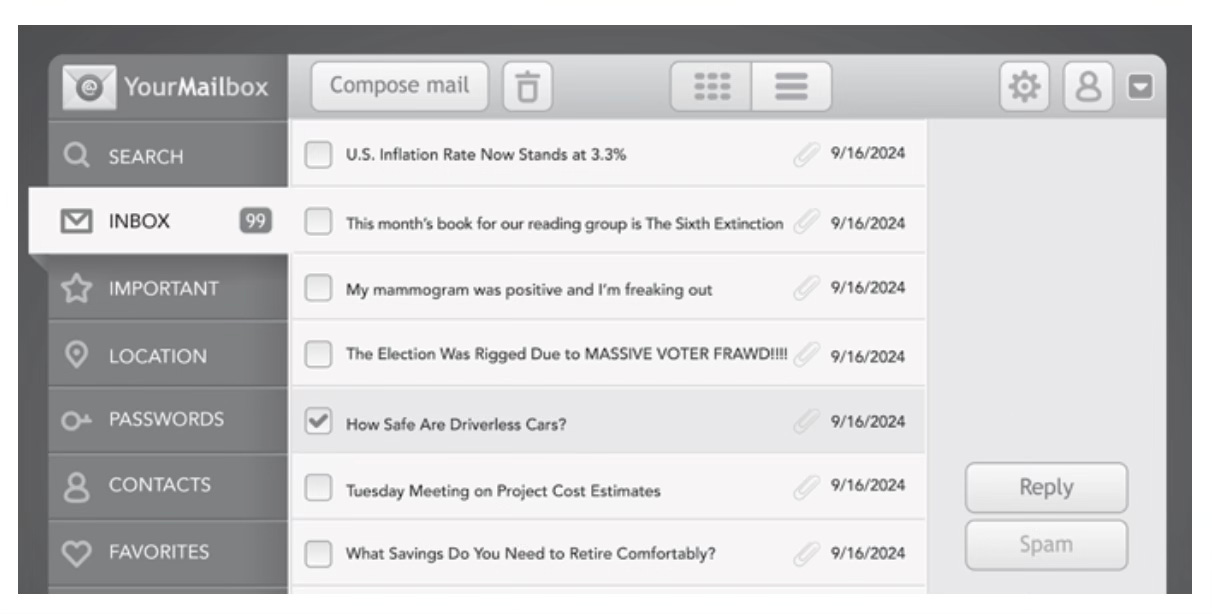
Why do so many people confuse stray anecdotes (ballots, vaccines, driverless cars) with meaningful trends?
Would you spend a few hours reading a book that goes right at these issues?
Help me get people to read Aftermath, and help pull America out of its death spiral.
Nervously,
Ted
Really looking forward to reading your new book, Aftermath! If I got to change our educational system I would ditch most of the math we are taught and teach statistics instead. In my career we only used what I call “3rd grade math:” add, subtract, multiple, divide and percentages. We frequently had to interpret research results, however, and thus needed statistics. It sets my teeth on edge when a journalist says that candidate X is 2 pts ahead of candidate Y when the margin of error is 4% and therefore neither candidate is actually ahead or behind in a poll. I listened to your discussion with Joe Walsh today and concur with everything you said! The one thing I would add is we can all take action by contacting our electeds, local, state and national amd advocate for an overhaul to the curriculum. Would be good to undo Reagan’s erasure of the high school requirement to teach Civics, too.
Oh no. Statistical Thinking … I’m in deep trouble 😂